
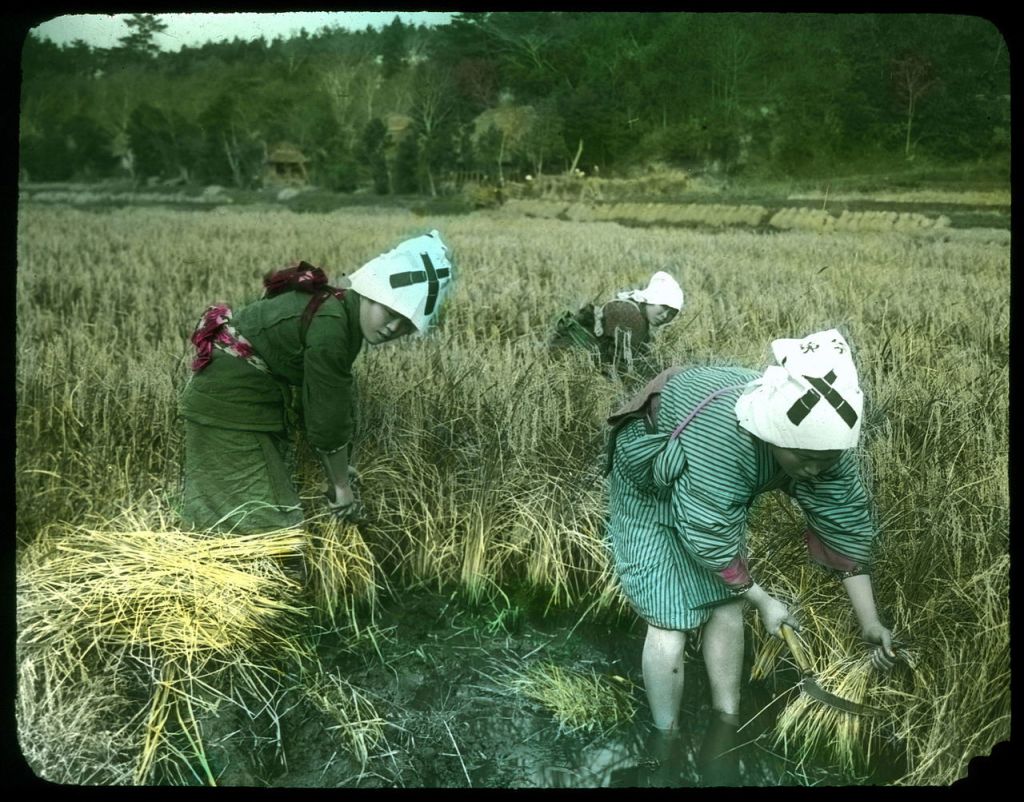
Jethro Tull, the agricultural pioneer who invented the seed drill, could’ve been a lawyer–but he chose to be a gardener instead. After studying law at Oxford, becoming a barrister, and touring Europe with his new young bride, he gave up law and whisked her away to the family farm. She might not have been grateful, but generations of farmers certainly would be. Before Tull’s seed drill, all seeds were scattered by hand.
As I wander about my garden, testing milkweed seed pods for levels of plumpness and crispness that tells me they’re ready to be collected, I’m grateful gardening for me is a hobby and not a chore. There’s no need to be particularly efficient. When my cat meanders between the stalks, catching the white fluff of seeds on her back and spreading them to the wind, I’m not worried about having one less chance at a germinated sapling next spring.
Fur us modern hobbyists, gardening is a portal to our ancient selves. It’s like a historical reenactment of our ancestor’s lives. I think of all the bodies through the past and today, tilling earth, scattering seeds, and harvesting crops. And I thank them.
Yet, in a world threatened with climate change, what we plant in our gardens does matter. One of the best choices we can make for our local ecosystems is to plant native plants. And the best and most cost-effective way to fill your garden with native plants and preserve local ecotypes that wildlife depends on is to collect the seeds in fall to plant them in spring, with or without a seed drill.
Identify Plants to Collect From
If you’re new to collecting, storing, and growing natives, you can start simply with these showy wildflowers:
- Purple Coneflower
- Black-Eyed Susan
- Swamp Milkweed
- Butterfly Milkweed
- Spotted Joe Pye Weed
- Common Boneset
- Smooth Blue Aster
And these ornamental grasses:
- Big bluestem
- Little Bluestem
- Switchgrass
- Prairie Dropseed
Once you’ve made your list, you can familiarize yourself with the key characteristics that mark each plant and seed type.
Then, go on a walk. Whether it’s a backyard or a wild site, make sure you have permission to collect seeds.
When collecting, keep in mid the 10% rule. Only collect from 1 in 10 plants, and only collect what you need. If you return to the same spot each year, diversify which species you’re collecting from to maintain genetic diversity.
Never collect rare or endangered plants.
Check for Ripeness
Collecting too early is one of the most common mistakes. Unripe seeds are often green, soft, and won’t germinate. Instead, wait until seeds are:
- Hard, dry, and dark-colored.
- Encased in pods or heads that are browning, splitting, or cracking open.
- Ready to fall away easily with a gentle shake.
A good test: tap the seed head. If seeds scatter into your hand, they’re ready.
Gather and Label your Seeds
The process is simple, but a little preparation goes a long way.
What you’ll need:
- Paper bags, small paper envelopes, or mesh bags
- Permanent marker for labeling
- Scissors or garden snips
Always collect on a dry day to avoid mold issues. Snip off seed heads or pods and drop them directly into a bag. Write the species name, date, and location right away — it’s amazing how similar some seeds look once they’re out of their pods.
Clean and Dry Viable Seeds
When you get home, spread your seeds in a thin layer on a paper towel, screen, or tray in a dry, well-ventilated space. Keep them out of direct sunlight.
As they dry:
- Remove chaff, pods, or silky fluff if needed (milkweed can be gently separated by hand).
- For grasses and goldenrod, you can keep some fluff attached if you plan to scatter them directly outdoors.
Drying usually takes a few days to a week. The goal is to ensure seeds are fully dry before storage to prevent mold.
Store your Seeds
Good storage is key to keeping seeds viable until spring.
- Place cleaned seeds in paper envelopes or small glass jars.
- Label everything clearly.
- Store in a cool, dark, and dry place — a basement, cupboard, or refrigerator works well.
For long storage, add a silica gel packet to absorb excess moisture.
 PlantsNative
Leave a comment